Introduction


Join Now



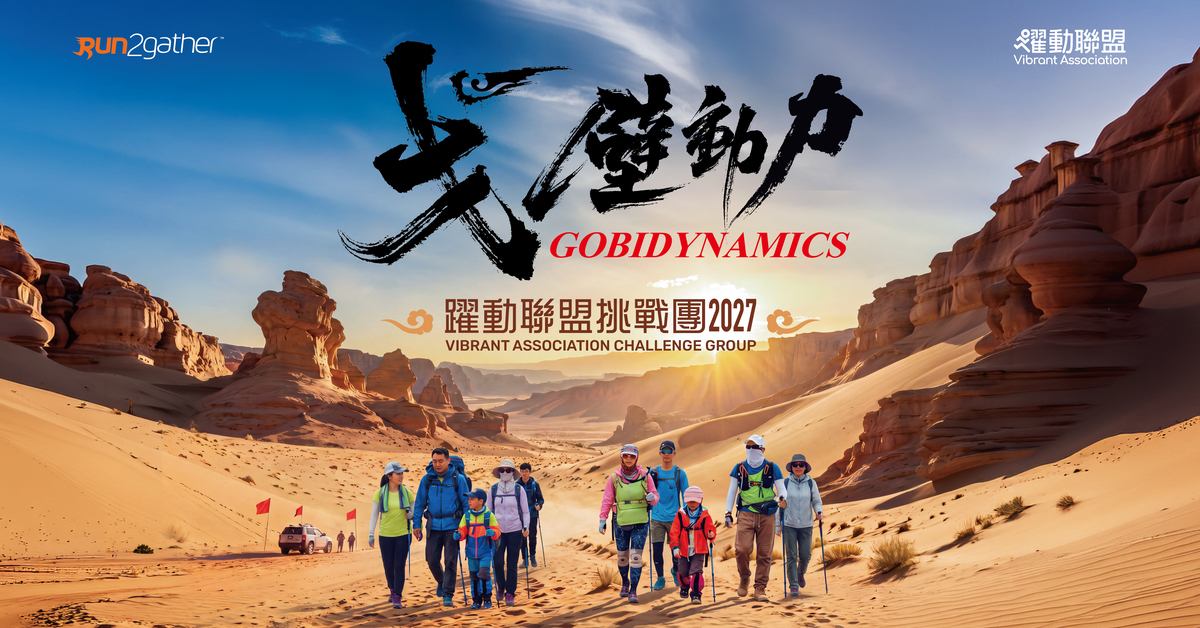
Gobi Hiking Event Introduction
Origin and Background
Spiritual Heritage: Its origin is closely related to the reverence for the Tang dynasty Master Xuanzang. Xuanzang journeyed alone across the vast Gobi Desert to India to retrieve Buddhist scriptures; his resilient and exploratory spirit has become a model for future generations. To inherit and promote this spirit, the Gobi hiking event was born.
Development and Evolution: Initially an individual challenge against oneself, it has gradually evolved into a comprehensive event integrating sports, tourism, and culture, attracting outdoor enthusiasts, entrepreneurs, and people from all walks of life.
Event Location
Gansu, Xinjiang, and Inner Mongolia in China boast vast Gobi regions, making them popular locations for Gobi hiking events. For example, Dunhuang in Gansu, as an important node of the ancient Silk Road, possesses deep historical and cultural heritage alongside unique natural scenery, with its surrounding Gobi beaches becoming one of the most famous Gobi hiking routes.
Event Format
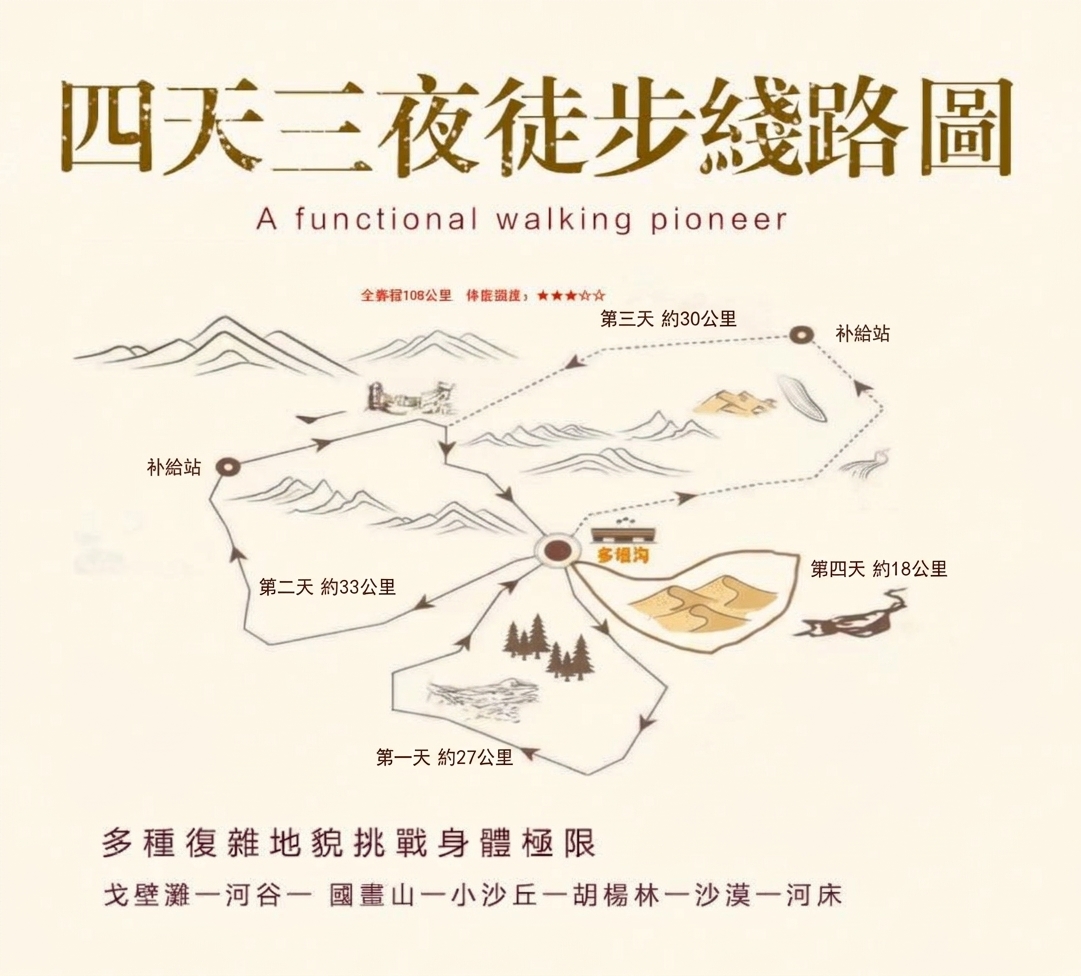
Schedule: Usually conducted in the form of multi-day hikes, such as a common 4-day, 3-night itinerary. Participants hike a certain distance each day, bringing the total hiking distance over the event to tens or even over a hundred kilometers—for instance, some events span a total of 108 kilometers.
Teams and Individuals: Participants can register individually to challenge themselves, or form teams where members support and collaborate with each other to complete the hiking challenge, enhancing team cohesion and cooperation skills.
Along-the-Way Experience
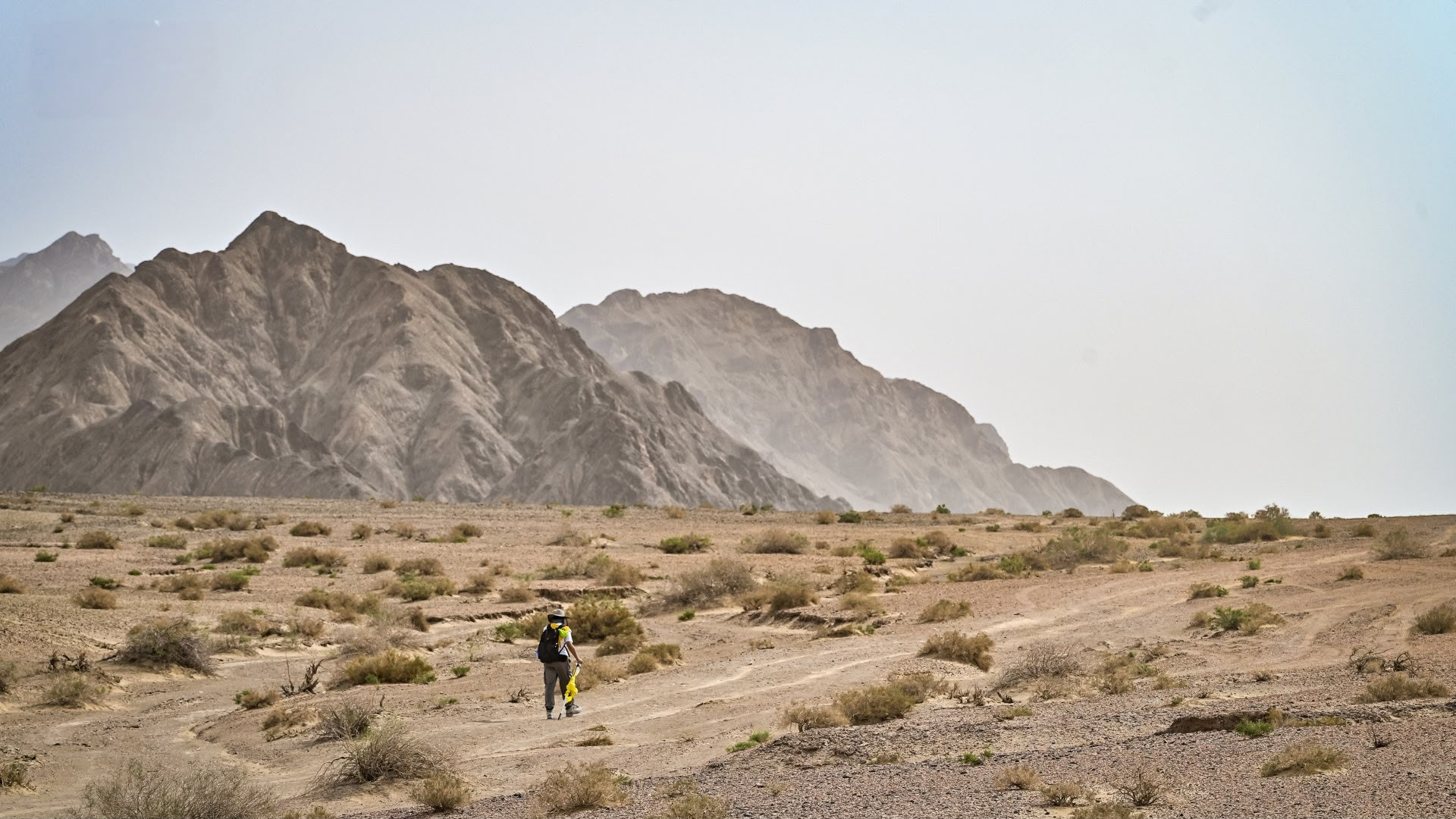
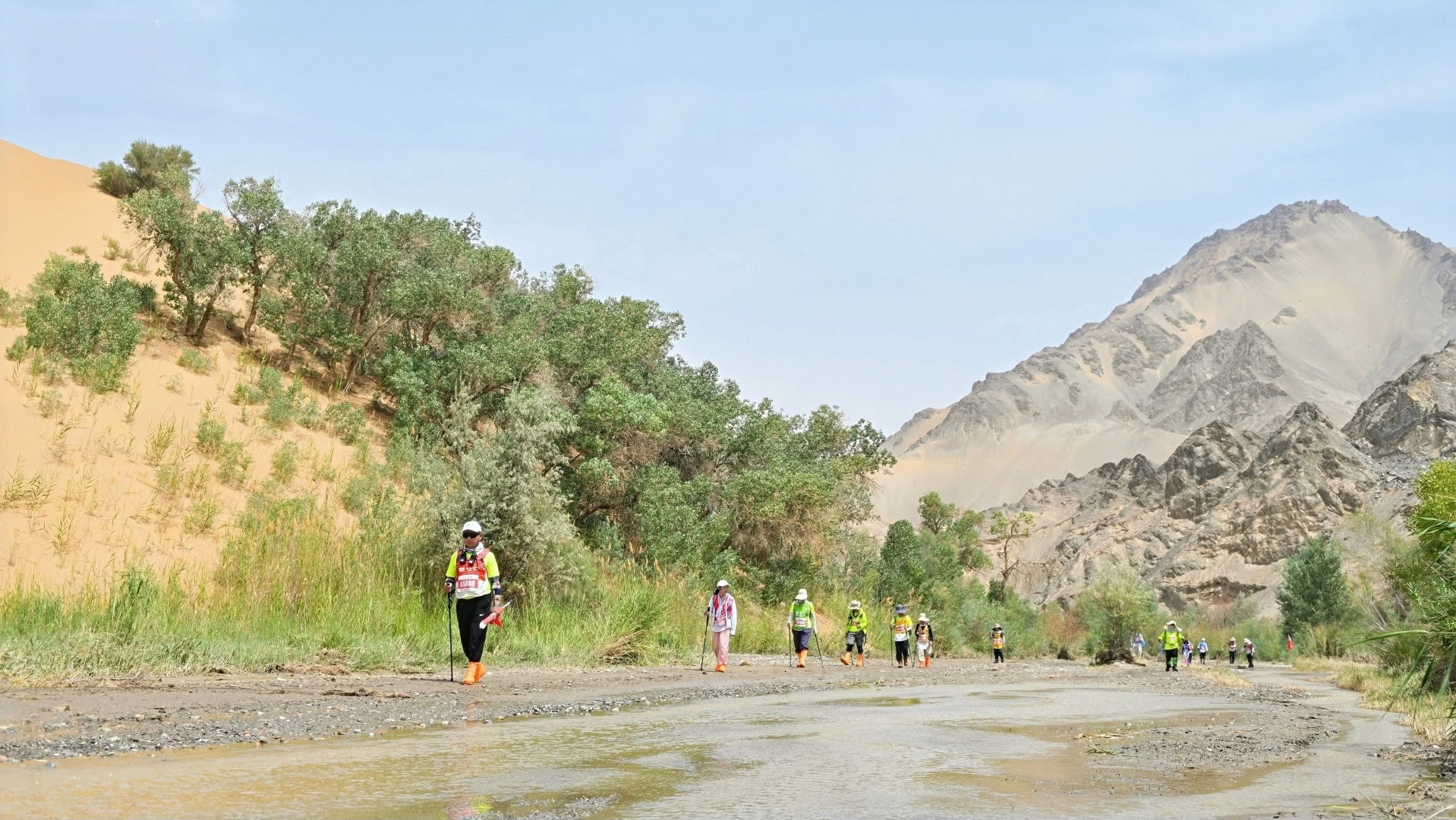
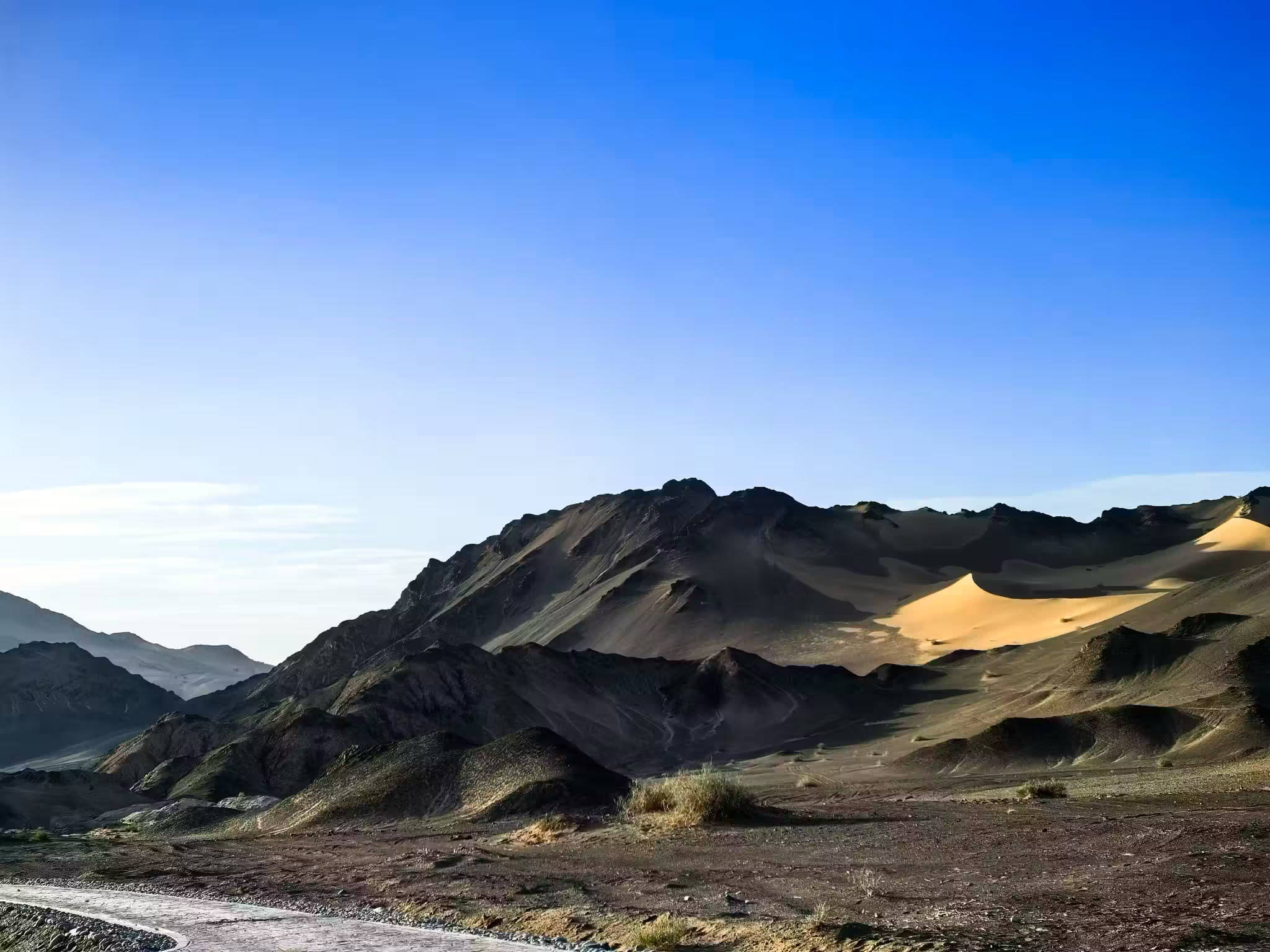
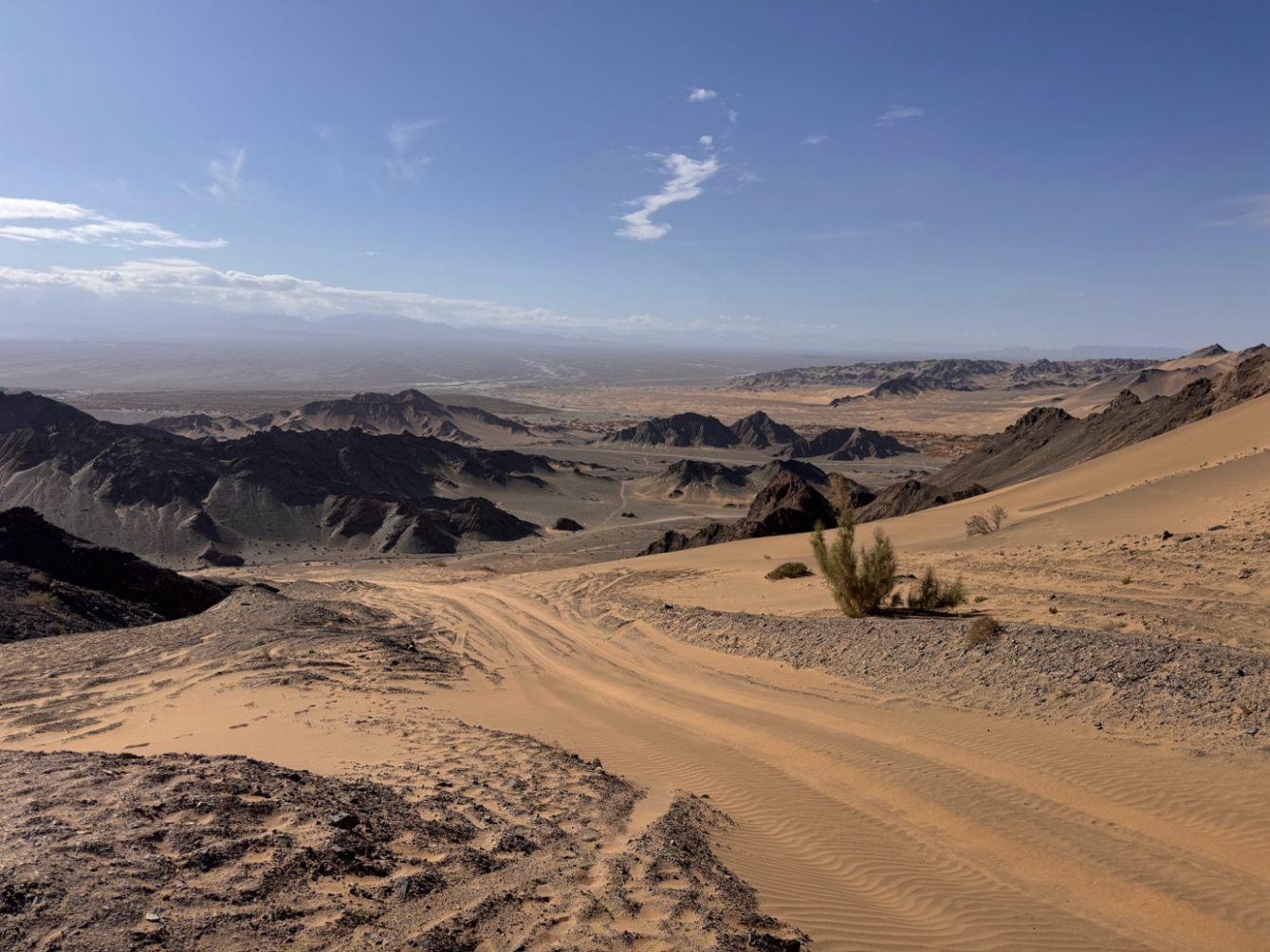
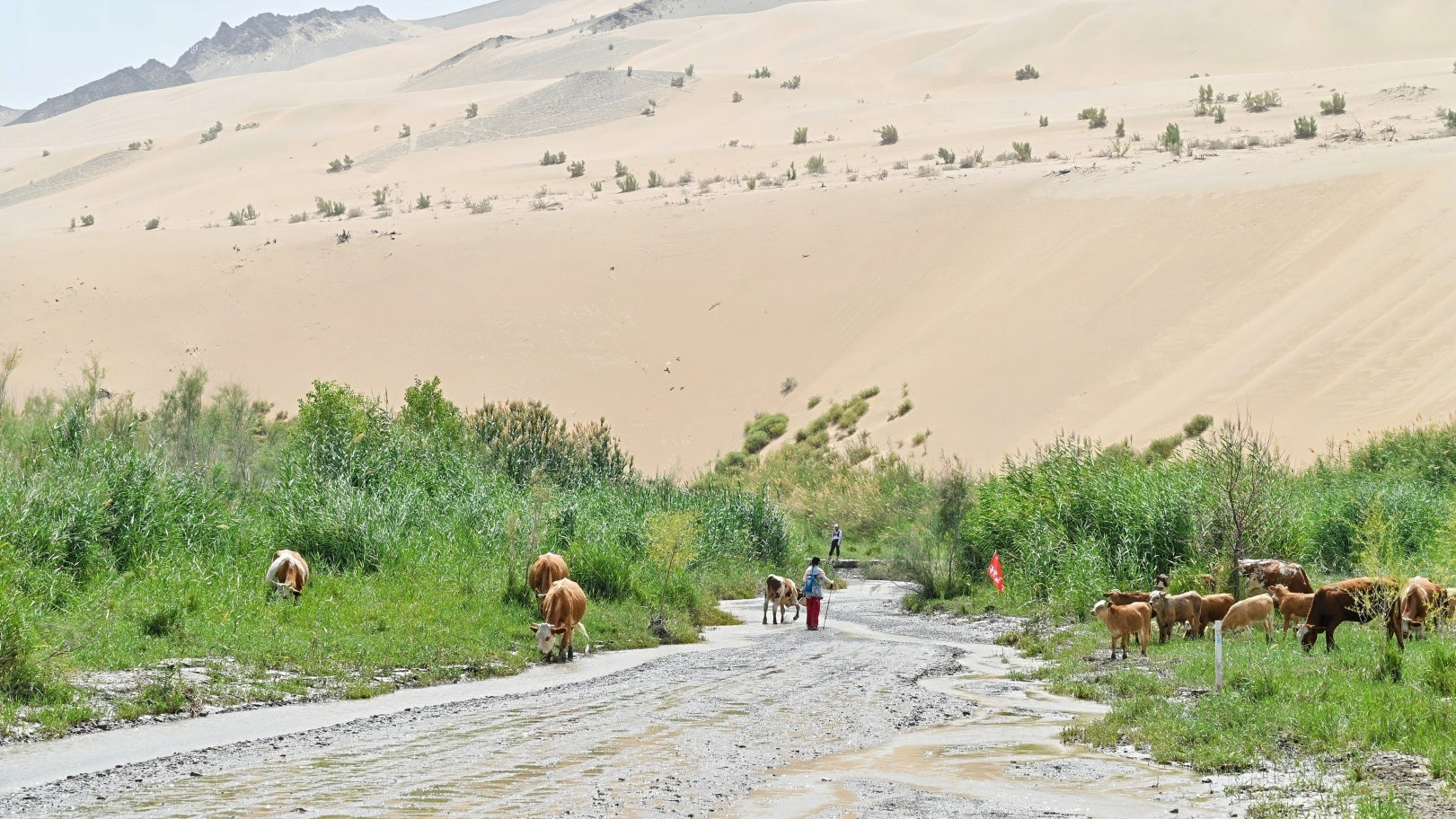
Natural Landscapes: Participants can admire breathtaking natural wonders such as magnificent golden sand dunes, peculiar rocks, and vast skies, experiencing the wondrous craftsmanship and boundless expanse of nature.
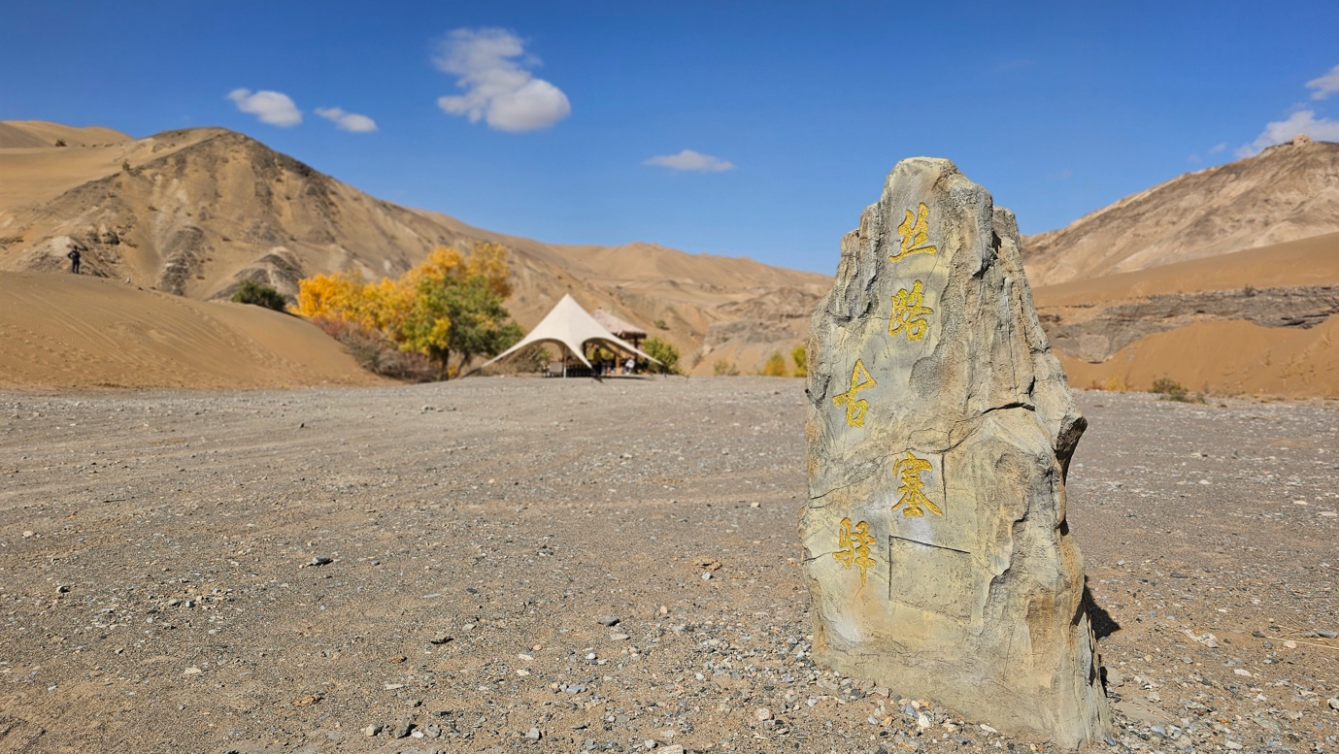
History and Culture: The route may pass historical relics such as ancient beacon towers, grottoes, and tombs, allowing participants to appreciate deep historical and cultural heritage as if traveling through time to converse with the ancients.
Challenges and Rewards
Physical Challenge: The Gobi region features a dry climate and large temperature differences between day and night, with blazing sun by day and biting cold winds at night. Participants must overcome harsh natural environments such as high temperatures, drought, and windstorms, posing a severe test to physical strength and endurance.
Spiritual Growth: Hiking in extreme environments trains one's willpower and character, teaching people perseverance and courage while continuously elevating mental strength and grit. At the same, through contact with nature and inner introspection, participants can receive spiritual cleansing and sublimation, finding inner peace and strength.
Event Information
| Event Date | August 13, 2027 to August 19, 2027 |
| Number of Days | 7 Days 6 Nights |
| Assembly Place | Dunhuang Airport |
| Assembly Time | TBD |
| Flight Schedule | TBD |
Race Categories
| Race Category | Mileage | Number of Participants | Eligibility |
|---|---|---|---|
| Individual | 108 km (4 Days) | 1 | Must be at least 18 years old by August 13, 2027; those aged 14 to 17 must obtain guardian consent |
| Double | 108 km (4 Days) | 2 | Must be at least 18 years old by August 13, 2027; those aged 14 to 17 must obtain guardian consent |
| Family | 90 km (3 Days) |
Base team: 1 parent + 1 child Maximum 4 members (remaining 2 members can be parents or children) |
Parent: At least 10 to 14 years old by August 13, 2027 Child: Aged 14 to 19 by August 13, 2027 |
Itinerary
| Date | Daily Activity Itinerary | Accommodation | Breakfast | Lunch | Dinner |
|---|---|---|---|---|---|
| August 13 | Arrive in Dunhuang | ||||
| Travel agency arranges tourist bus from Dunhuang Airport to the hotel | Hotel | x | x | x | |
| August 14 | Dunhuang Sightseeing & Send-off Banquet | ||||
|
Morning: Visit Mingsha Mountain Afternoon: Visit Mogao Grottoes (those not participating in the tour may have free time) Evening: Send-off banquet and pre-event briefing |
Hotel | Hotel | √ | Hotel Send-off Banquet | |
| August 15 | Hiking Day 1, Head to Akesai | ||||
|
07:30 Take tourist bus to Akesai Around 11:30 start hiking. A lunch rest area is set up about 8 km after the start; continue to finish the day's journey after lunch, total distance for the day approx. 27 km. Evening: Bonfire party, stay at Duobagou Fixed Camp |
Duobagou Fixed Camp | Hotel | √ | Bonfire Party | |
| August 16 | Hiking Day 2, Total 33 km | ||||
|
06:30 Wake-up call, 07:00 Camp breakfast, 07:30 Start hiking Lunch rest area set up about 17 km after start, total distance for the day approx. 33 km Evening: Camp dinner |
Duobagou Fixed Camp | √ | √ | √ | |
| August 17 | Hiking Day 3, Total 30 km | ||||
|
05:30 Wake-up call, 06:00 Camp breakfast, 06:30 Start hiking Lunch rest area set up about 16 km after start, total distance for the day approx. 30 km Evening: Camp dinner. Pack up belongings. Family Extension Challenge Application: **Participants wishing to join the next day's extension challenge must submit an application to the organizing committee before 19:00 on Hiking Day 3 (August 17, 2027) and obtain approval. |
Duobagou Fixed Camp | √ | √ | √ | |
| August 18 | Hiking Day 4, Total 18 km & Celebration Banquet | ||||
|
05:00 Wake-up call, 05:30 Breakfast 06:00 Start hiking - For Individual category and Family category participants approved for the extension challenge. Distance approx. 18 km After the main hiking group departs, Family category participants not joining the extension challenge will take a tourist bus to the finish line to wait for other participants; all luggage will be shipped directly back to the hotel by the organizers. 11:00 Light meal at the finish line 13:00 Take tourist bus back to Dunhuang hotel Evening: Celebration Banquet |
Hotel | √ | √ | Hotel Celebration Banquet | |
| August 19 | Return to Hong Kong or Leave Tour | ||||
|
Morning: Hotel breakfast Travel agency arranges tourist bus to the airport to depart Dunhuang |
X | Hotel | X | X |
** If you plan to visit "Crescent Spring" and "Mogao Grottoes", it is recommended to arrive in Dunhuang one day earlier (i.e. August 13)
Event Pricing
Individual Category 108km
- Fee per person: HK$ 14,388 (based on twin-sharing room)
- Single room supplement: Add HK$ 1,500 (3 nights)
Double Category (Pair) 108km
- Fee per group: HK$ 27,988 (based on twin-sharing room)
- Fee per group: HK$ 26,888
- Additional parent/guardian fee per person: HK$ 13,888
- Additional child under 14 fee per person: HK$ 13,000
Family Extension ChallengeParticipants who complete the designated hiking route for the first three days of the Family category may apply free of charge to participate in the extension challenge on the fourth hiking day. Participants must submit an application to the organizing committee before 19:00 on Hiking Day 3 (August 17, 2027) and receive approval from the committee before joining.Family category participants who do not join the extension challenge will take a tourist bus to the finish line after the main group departs to wait for the arrival of other participants.
Optional Dunhuang Day Tour Add-on (Mingsha Mountain & Crescent Lake, Mogao Grottoes entry tickets, shuttle transport, and lunch on the day) Fee per person: HK$600
4Organizer: VIBRANT ASSOCIATION & Run2gather


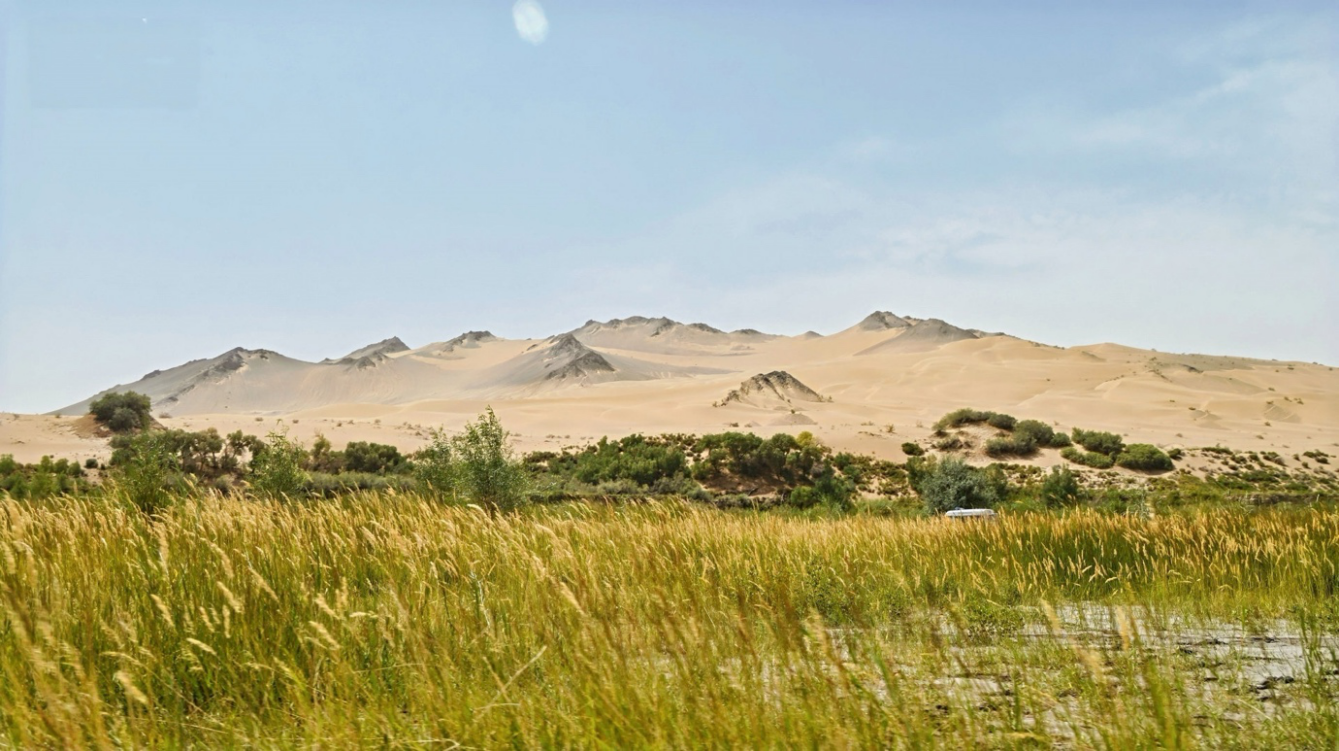
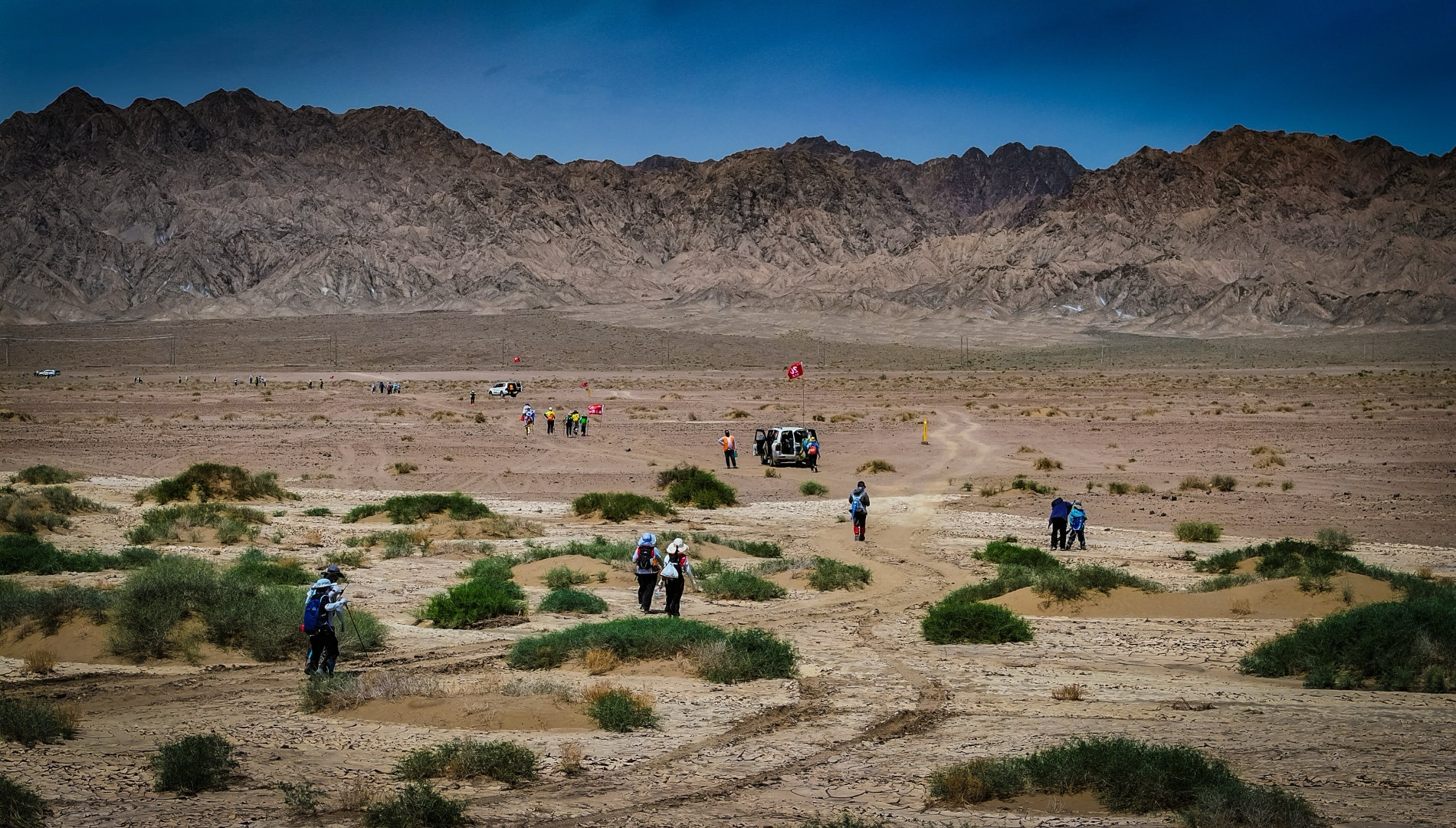
Sights Along the Way Include
| Tour Fee Includes | Tour Fee Excludes |
|---|---|
| Event organization and management fees | Round-trip transportation fees to/from Dunhuang/Gansu |
| Hotel accommodation (based on twin-sharing room) | Personal equipment expenses |
| Communication and logistics support fees during the event | Personal consumption |
| Safety guarantee fees during the event | Camp massage (RMB 150 / 20 minutes per person) |
| Cultural heritage protection and management fees for routes along the way | Scenic spot tickets and show admission fees |
| Transportation fees from urban areas to the Gobi Desert during the event | Additional personal insurance |
| Accident insurance coverage up to 1 million | |
| Event materials (name badge + luggage tag + race vest + medical kit + markers + medal + finisher certificate, etc.) | |
| Meals / drinking water expenses during the event | |
| Gobi accommodation provisions: 30 sq.m. tents, moisture-proof mats, functional tents (rest area, dining area, stretching area, etc.) | |
| Camp shower fees (once daily, $100 per time) | |
| Pre-event training classes (three sessions) fees | |
| Three-month cumulative mileage online run (including finisher medal) fee | |
| One special edition trail running jersey and one pair of sun sleeves | |
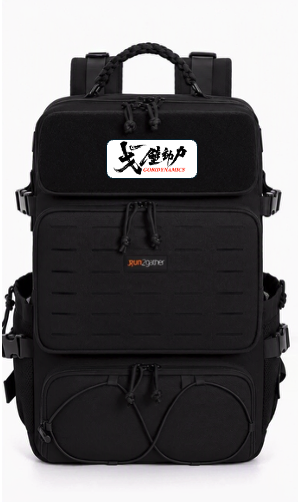
| One special edition multi-purpose backpack | |
| Finisher T-shirt (must complete the entire route of the category) | |
| Engraving name on finisher medal (processed after returning to HK) | |
| One commemorative photo album |
Special Edition Trail Running Jersey (Unisex)
(Under design)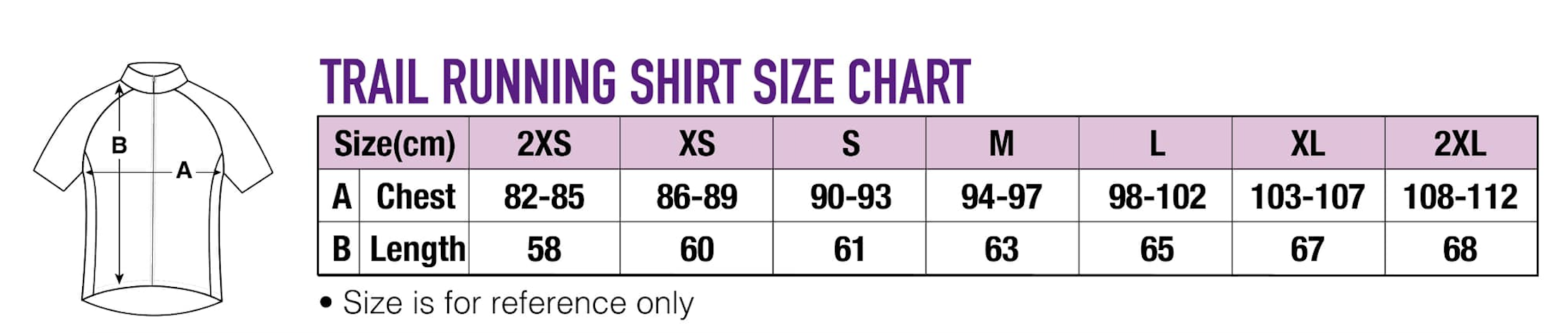
Finisher T-Shirt
(Under design)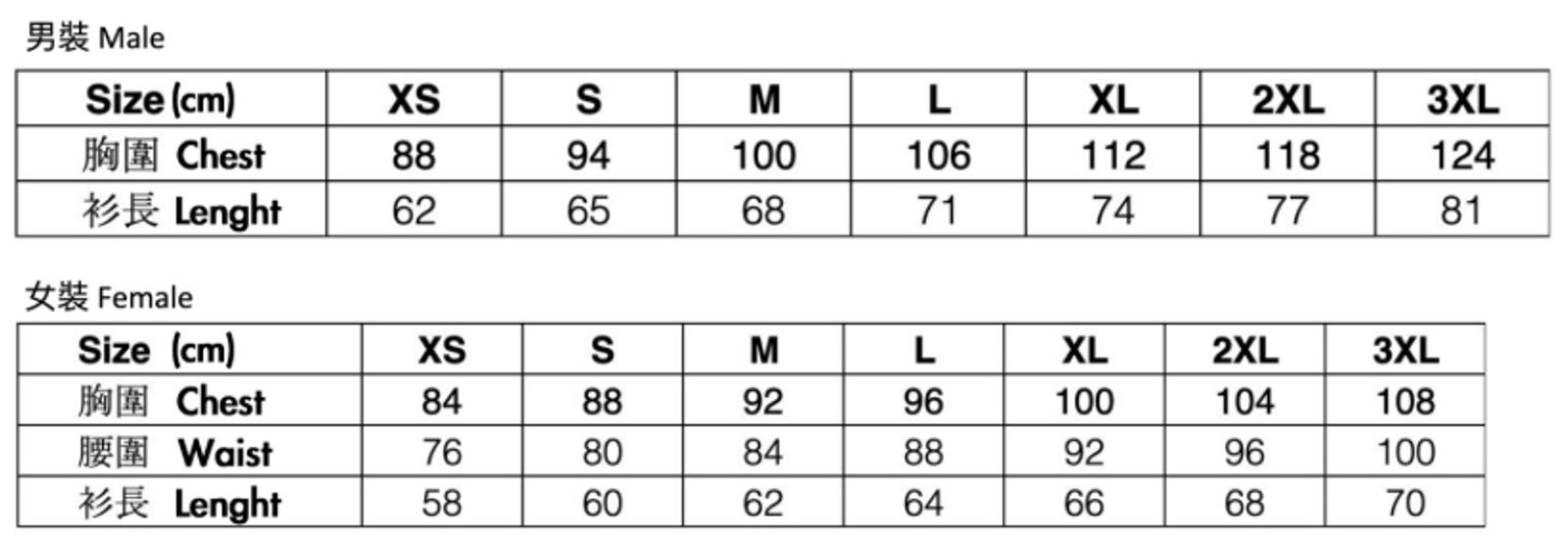
Multi-purpose backpack
The picture is for reference only, and the actual model is still in production.
Recommended Personal Equipment


Suggested quantity: 1 piece (either a down jacket or fleece jacket, primarily for nighttime camp warmth)


Suggested quantity: 4 pairs or more


Tips
- It is best not to wear contact lenses. Since the camp does not provide running tap water for washing up, wearing framed glasses is preferable.
- Pure cotton materials are not recommended for any quick-drying items.
- Prepare earplugs in advance if you are a light sleeper.
- Men are advised to wear boxer briefs.
- Women can prepare some sanitary pads in case of menstruation.
- The best way to prevent blisters is to choose suitable shoes and frequently change socks while walking.
- The organizing committee provides simple medical supplies; please bring or equip personal special medications according to your physical condition.